At least 65 primary and secondary schools have been shut or rendered non-functional across northern Nigeria due to insecurity, leaving thousands of children without access to classroom education, a new investigation has revealed.

The affected schools are spread across Sokoto, Benue, Plateau, Borno, Kaduna, and Kebbi states, with academic activities also disrupted in parts of Katsina, Adamawa, and other northern states.
The closures have been triggered by terrorist and bandit attacks, abductions, displacement of communities, and fears of further violence against pupils, students, and teachers.
Sokoto State has recorded one of the most extensive disruptions, with schools in 20 of its 23 local government areas shut following a directive from the Federal Government. At least 14 schools have been identified as directly affected, including Government Secondary School, Tureta; Government Girls Secondary School, Bodinga; Government Technical College, Goronyo; and Government Secondary School, Shagari, among others.
In Benue, 35 primary schools across Kwande, Gwer West, Guma, and Logo local government areas have been forced to close following repeated attacks and community displacement. Many families have moved to safer locations, with some children dropping out of school entirely.

In Borno, renewed attacks in Askira-Uba Local Government Area have shut two schools. Mussa Junior and Primary School was closed after more than 40 students and pupils were abducted, while Lassa Secondary School was also shut following the abduction of over 30 students.
Plateau State has seen seven schools disrupted across Riyom and Barkin Ladi local government areas, including Government Secondary Schools in Shonong, Lwa, Fang, and Barkin Ladi. Communities in Riyom where schools have experienced closures include Shonong, Lwa, Fang, Bangai, and Darwat.
In Kaduna, Bethel High School and Greenfield University in Chikun Local Government Area remain associated with some of the most serious school abduction incidents recorded in the state, while communities in Birnin Gwari, Giwa, Kajuru, and Kauru continue to experience occasional disruptions.
In Kebbi, Government Girls Secondary School, Maga, in Danko/Wasagu Local Government Area, remains shut following a deadly attack and abduction of students by gunmen.
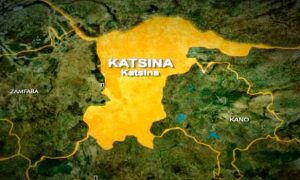
In Katsina, schools in frontline local government areas including Batsari, Jibia, Kankara, and Faskari have experienced prolonged closures. Education authorities responded by merging many affected schools with institutions in safer communities, though several have yet to fully reopen.
The findings build on a 2025 investigation that documented at least 188 public schools shut across six northern states, a figure experts say could be higher given that some affected communities remain inaccessible.
Security analysts warn that criminal groups are increasingly targeting schools because of the maximum psychological impact such attacks generate. Security consultant Alfred Ononugbo said weak intelligence coordination and inadequate protection of vulnerable communities had made schools easy targets, with criminal groups likely to return once they discover little resistance.
Education experts have sounded the alarm over the long-term consequences. Chairman of the Conference of Polytechnics and Colleges of Technology in Nigeria, Dr Obini Onuchukwu, warned that prolonged closures disrupt academic calendars, damage school facilities, and produce psychological trauma that lingers long after schools reopen.
Professor Al Chukwuma Okoli of the Federal University, Lafia, warned that Nigeria’s already alarming figure of 18.3 million out-of-school children could worsen significantly if school closures in conflict-affected communities are not urgently addressed.
“If we do not act now, we will not only lose a school year. We will lose a generation,” said educationist Eloho Arhogho-Okeren.
The Federal Government says it is taking steps to strengthen the Safe Schools Initiative, with the Ministry of Education establishing a dedicated Safe Schools Department. Minister Tunji Alausa said the new approach would extend beyond physical security to include perimeter fencing, solar-powered lighting, school security personnel, and technology-based monitoring systems.
However, with more than $30 million already mobilised for the Safe Schools Initiative since 2014 and a further N144.86 billion budgeted for 2023 to 2026, continued attacks have raised serious questions about whether financial commitments are translating into real protection on the ground.
The Senate has since opened an investigation into the Safe Schools Initiative to examine its financial and operational performance.

Digital Operations Manager at The Students Forum Nigeria.