The International Livestock Research Institute (ILRI) Tropical Dairy Genetic Gain (TDGG) Project team has paid a pre-implementation visit to Ahmadu Bello University (ABU), Zaria.

The visit is essentially to strengthen collaboration and discuss preparations for the implementation of the project in Nigeria.
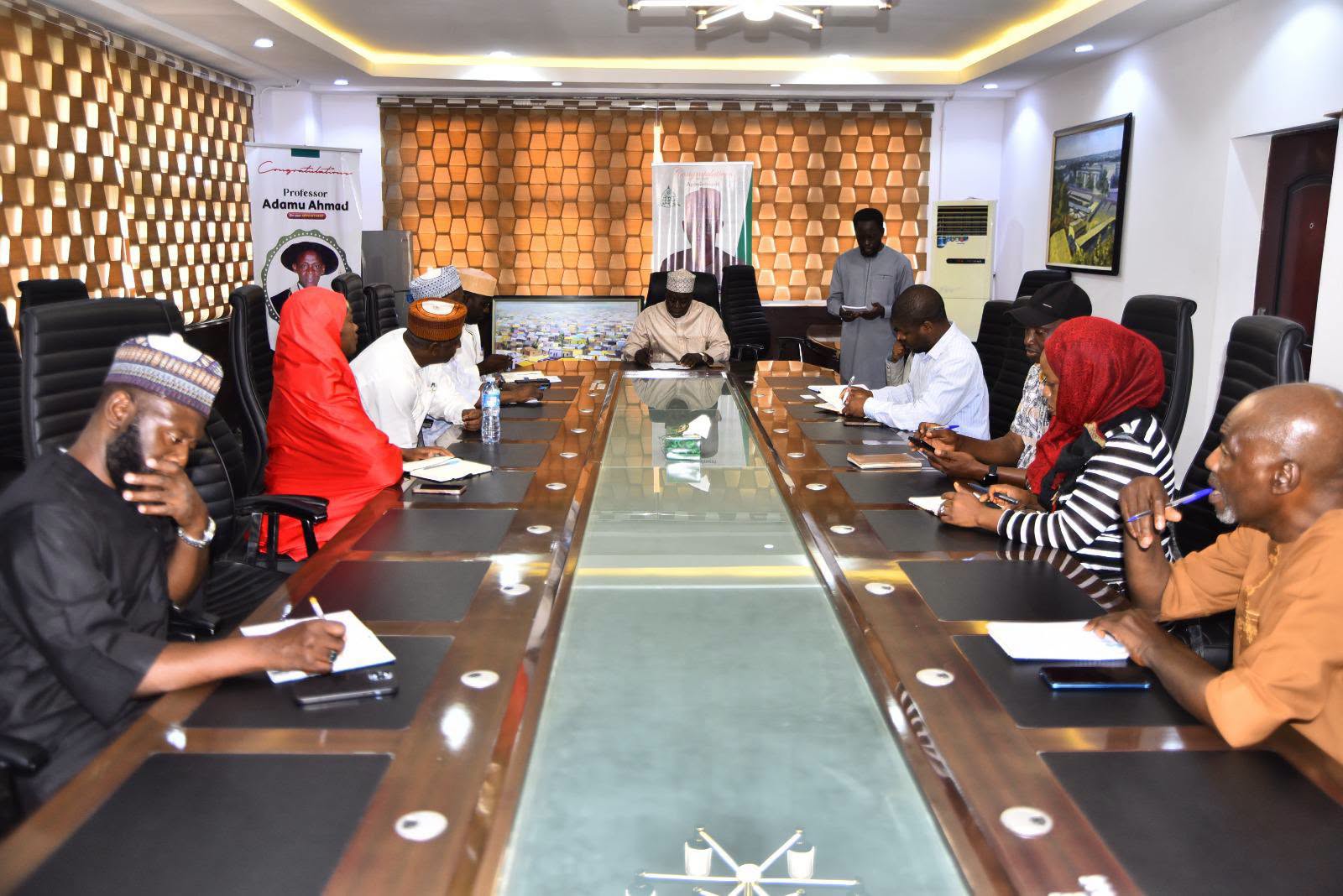
It commenced with a courtesy call on the Vice-Chancellor, Professor Adamu Ahmed, who was represented by the Deputy Vice-Chancellor, Administration, Professor Bello Sabo.
Professor Sabo received the delegation alongside the Acting Deputy Director of the National Animal Production Research Institute (NAPRI), Dr Mohammed S. Tanko, Professor Jacob Kwaga, Professor Kabiru Junaidu and Dr Na’imatu Audu Sani.
The delegation was led by the Team Lead, Dr Gebreyohannes Hadera.

It included Dr Isidore Houaga, ILRI scientist for Nigeria TDGG, Dr Adekeye Adetayo, Mrs Adenike Sanusi, Project Coordinator, and Professor T.O. Nash, Chair of the National Steering Committee.
Dr Hadera, while briefing the Deputy Vice-Chancellor, said the TDGG Project was designed to improve dairy productivity in tropical regions.
This will be achieved through the application of animal identification and traceability systems, digital data collection, performance recording and genomic technologies.
He noted that the initiative builds on dairy genetic gain programmes implemented in East Africa and Asia and has now expanded to Tropical Africa, with Nigeria among the countries selected for implementation.
The project will initially cover Kaduna, Kano, Adamawa and Oyo States, with particular emphasis on smallholder dairy farmers.
According to him, the project would support the identification of superior cattle populations that could be used to improve the wider dairy population, while generating reliable data for genetic and genomic evaluation.
He added that the data generated would also create opportunities for MSc and PhD research.
Dr Hadera stressed that the success of the project would depend on strong national partnerships, noting that ILRI could not implement such a programme in isolation.
He identified NAPRI, given its national mandate in livestock research and development, as a key institutional partner.
The Deputy Vice-Chancellor, Administration, Professor Sabo, expressed delight at receiving the ILRI delegation.
He welcomed the decision to select NAPRI in Kaduna State as a key institution for the implementation of the project.
He noted that the choice also positioned Ahmadu Bello University, by extension, as an important partner in the initiative.
He noted that NAPRI is currently undergoing significant reforms and is particularly interested in strategic partnerships capable of strengthening its research, innovation and development mandate.
Sabo therefore described the TDGG Project as timely and well aligned with the institute’s renewed direction.
Professor Sabo also highlighted the growing demand for dairy products and the need for interventions that could contribute to increased local dairy production.
He observed that the project had the potential to address important gaps in the dairy value chain while improving the livelihoods of smallholder farmers in surrounding communities.
The Deputy Vice-Chancellor further underscored the academic value of the initiative, noting that the project could provide valuable opportunities for students at different levels of study to engage in practical research, data analysis and field based learning.
He expressed optimism that the collaboration would benefit not only the participating farmers and researchers but also the wider university community.
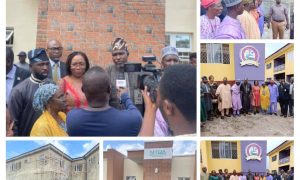
Following the courtesy visit, the delegation proceeded to the National Animal Production Research Institute, where it held a technical session with NAPRI management, programme leaders, researchers, representatives of smallholder dairy farmers and private sector stakeholders.
The technical discussions focused on animal identification and traceability, quality data collection, farmer sensitisation, capacity building and mechanisms for ensuring reliable data for genetic and genomic evaluation.
The engagement also provided an opportunity for the ILRI team to interact with smallholder dairy farmers and discuss the practical realities of dairy production, including production challenges and expectations from the project.
The visit is expected to further strengthen institutional collaboration among ILRI, ABU and NAPRI and provide a foundation for the successful implementation of the Tropical Dairy Genetic Gain Project in Nigeria.

Digital Operations Manager at The Students Forum Nigeria.