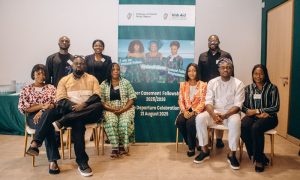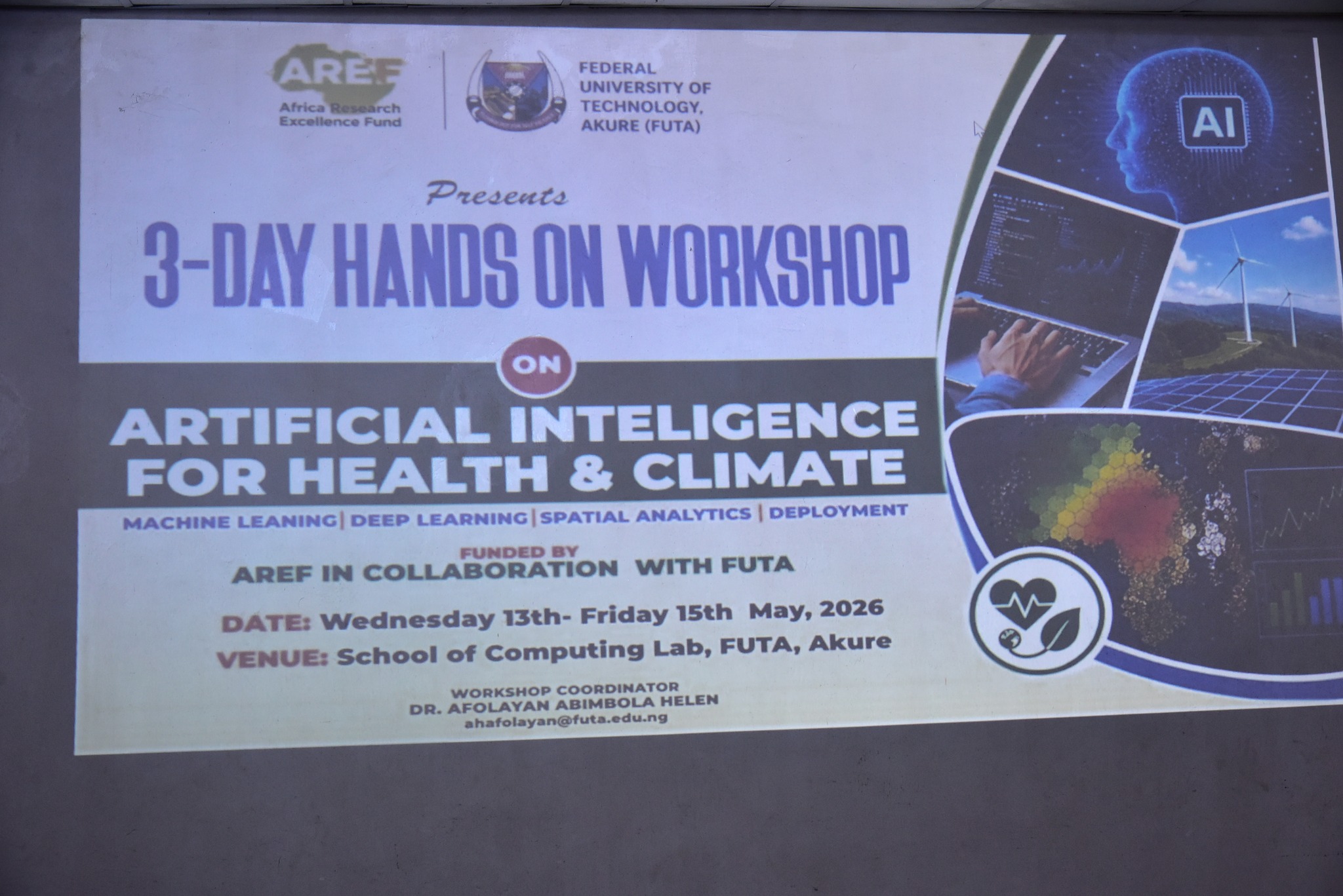
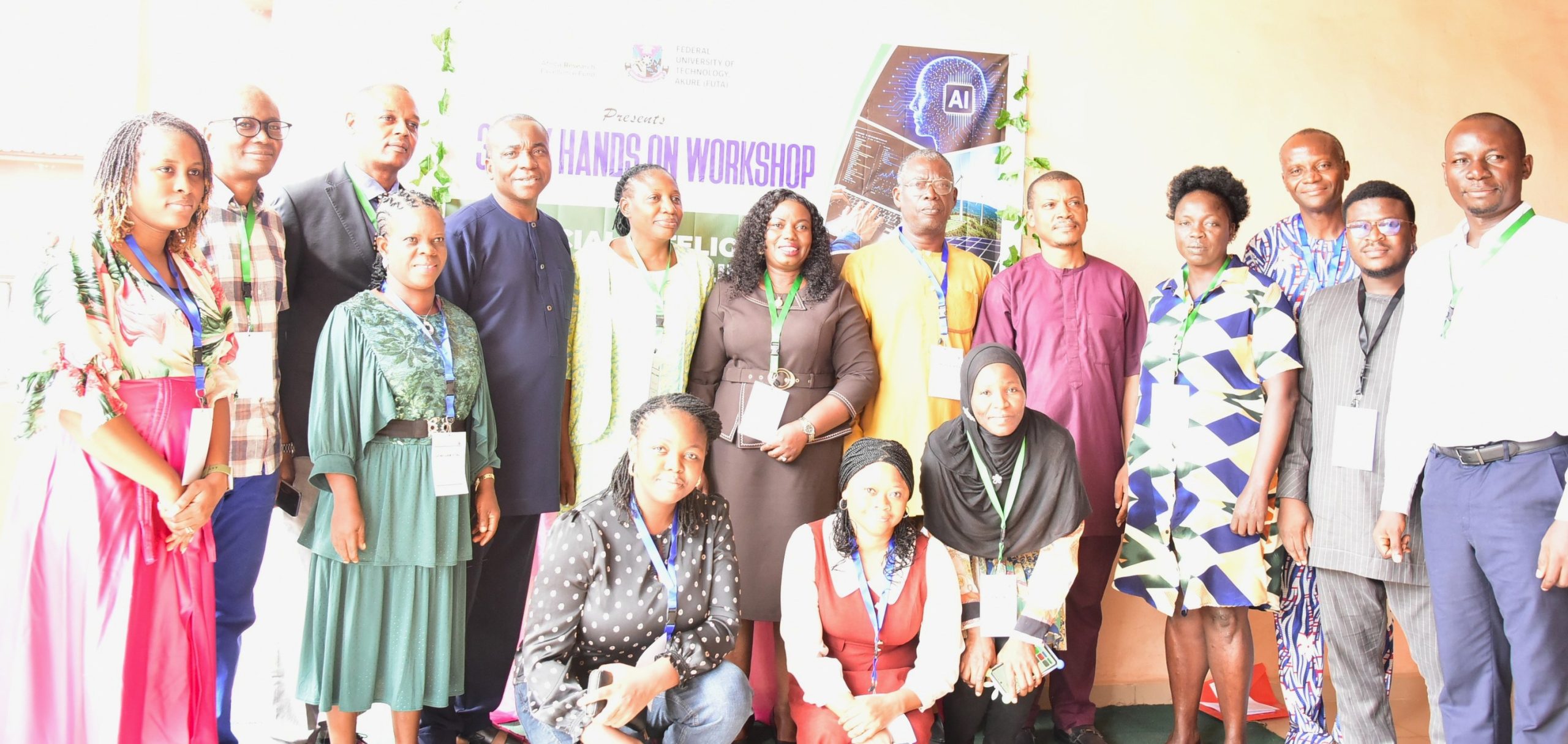

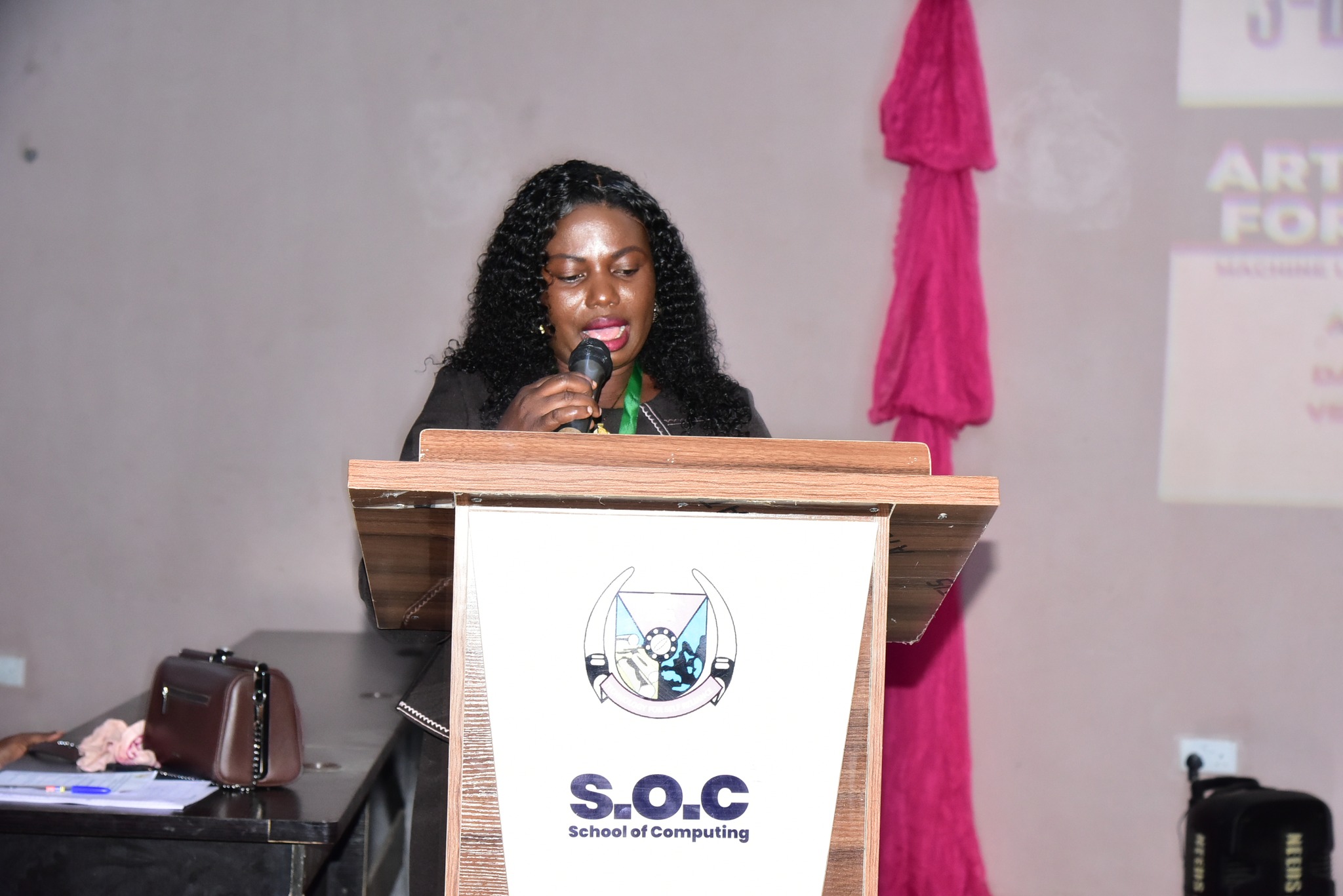
The Federal University of Technology Akure (FUTA) recently hosted a three-day workshop focused on the use of Artificial Intelligence (AI) in tackling health and climate challenges. The workshop, titled “Artificial Intelligence for Health and Climate: Machine Learning, Spatial Analytics, and Real-World Deployment,” took place at the School of Computing Laboratory.
The programme was supported by the FUTA management under the leadership of the Vice-Chancellor, Adenike Oladiji, alongside the School of Computing and the Department of Information Systems. It was funded by the African Research Excellence Fund (AREF) and coordinated by Helen Afolayan as part of the follow-up phase of her AREF Research Development Fellowship.
Speaking during the opening ceremony on May 13, 2026, Dr. Afolayan explained that the workshop was designed to equip students, researchers, and stakeholders with practical knowledge in machine learning, deep learning, time series analysis, geospatial analysis, and real-world AI applications in health and climate.
She encouraged participants to see themselves as future innovators capable of creating solutions for Africa’s challenges, especially in areas such as malaria control, pollution management, climate forecasting, digital healthcare, and responsible AI development.

Representing the Dean of the School of Computing, Boniface Alese, Professor Olatubosun Olabode praised the organisers and AREF for putting together what he described as a timely and important workshop.
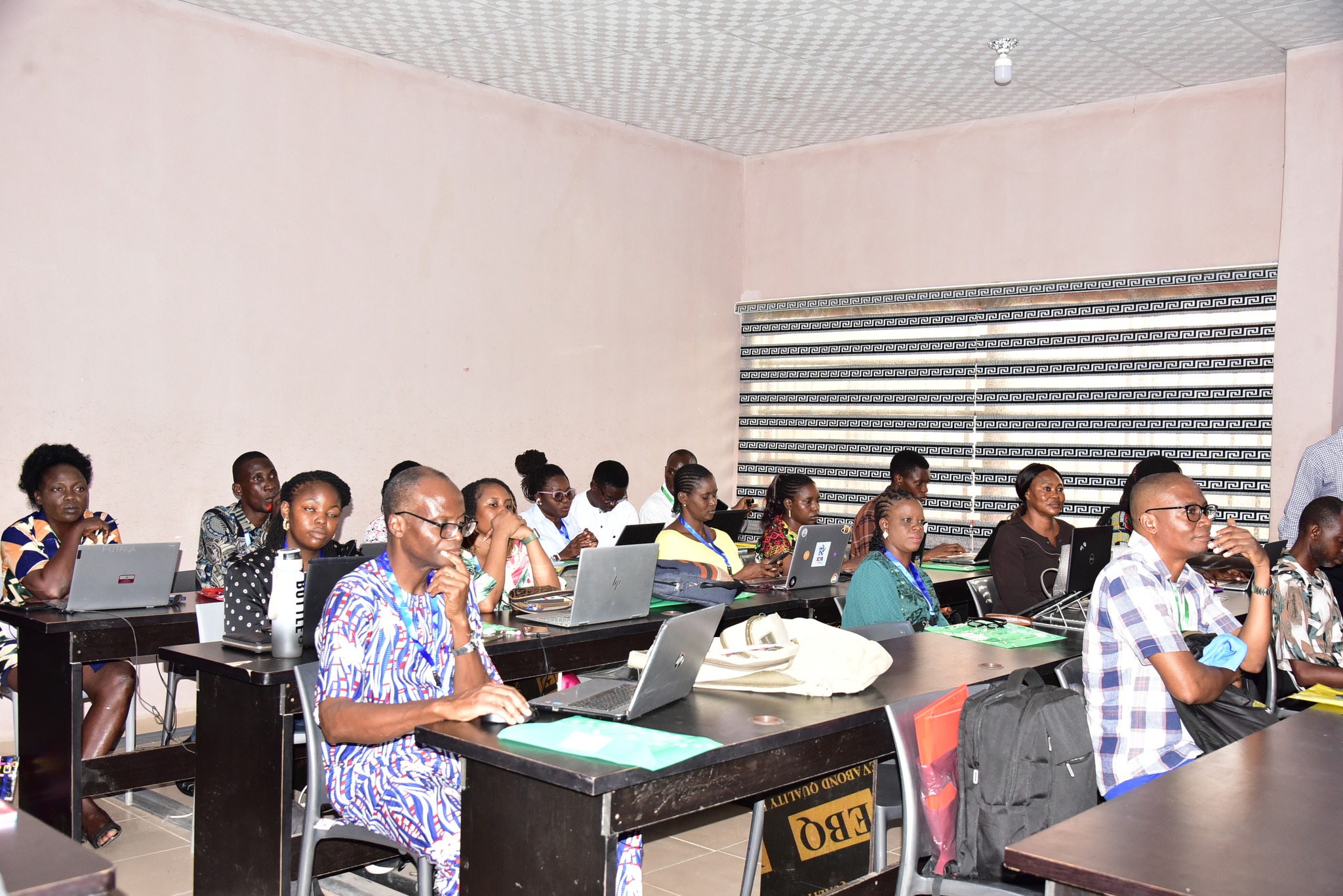
According to him, FUTA remains committed to promoting innovations that solve real-world problems, adding that AI applications in healthcare and environmental management are becoming increasingly important for Nigeria and Africa. He noted that the workshop’s practical approach to machine learning, spatial analytics, and deployment of AI solutions is particularly relevant as African countries seek local solutions to public health and environmental concerns.
Professor Olabode also encouraged students, researchers, academic staff, and both local and international participants to actively engage in the sessions, explore the available tools, and build valuable professional networks. He added that the knowledge gained would support both career growth and national development.
Also speaking at the event, Kenneth Alaneme, Director of the Centre for Research and Development (CERAD), described FUTA as a research-driven institution committed to innovation, quality teaching, and efficient service delivery. He stated that the university is currently ranked as the fourth-best university in Nigeria and the leading university of technology in the country.
Professor Alaneme explained that FUTA’s research philosophy focuses on ethical, sustainable, and innovative research capable of generating solutions with both local and global relevance.
Delivering the keynote lecture titled “Introduction to AI for Health and Climate Applications,” Professor Bolanle Ojokoh explained that Artificial Intelligence enables computer systems to perform tasks that normally require human intelligence through learning from data, identifying patterns, understanding language, and solving problems.
She noted that AI systems rely on historical data to make predictions and informed decisions about future events. According to her, the purpose of AI is not to replace humans entirely but to improve human decision-making and efficiency.
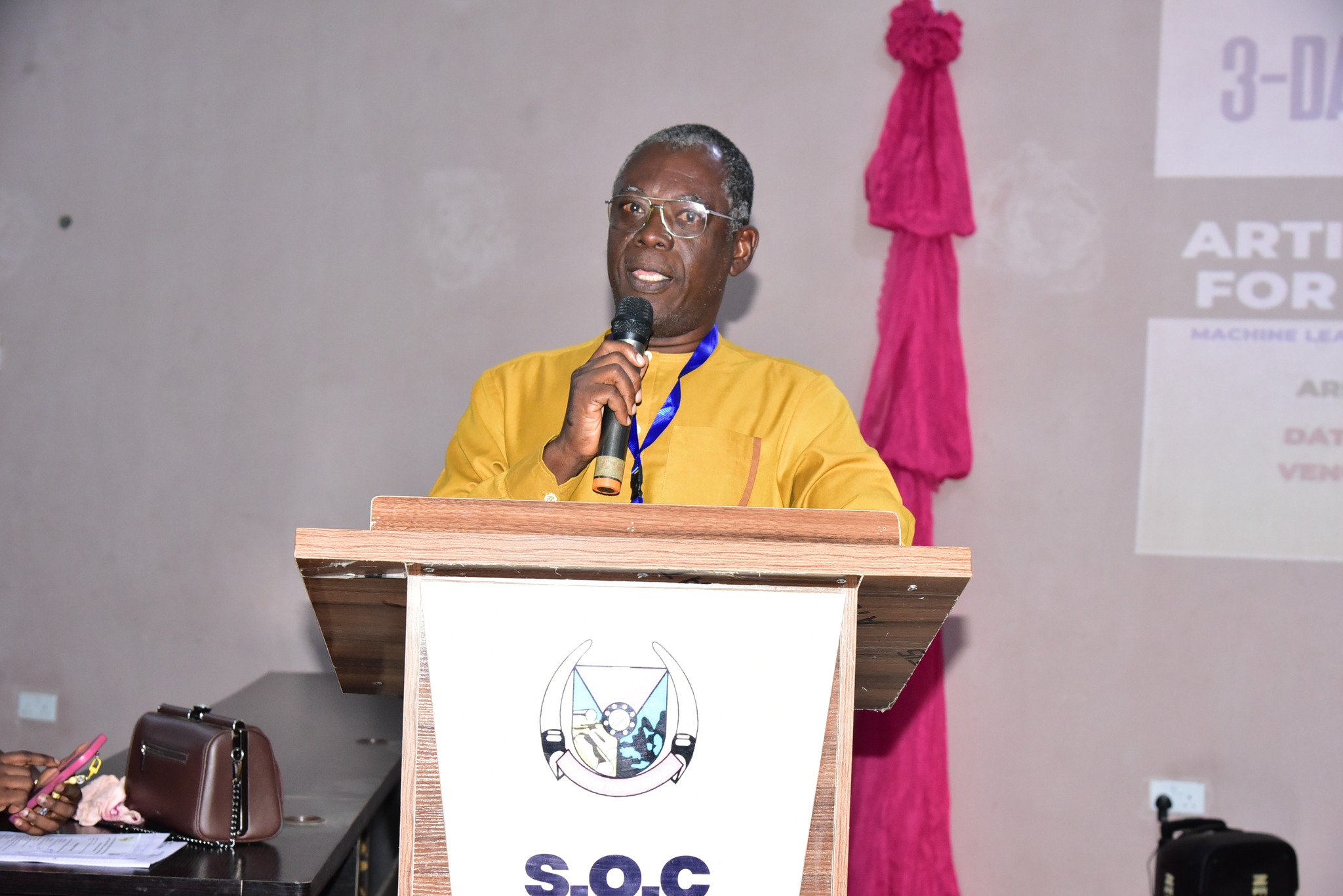
Professor Ojokoh highlighted several healthcare applications of AI, including disease prediction, medical imaging for faster diagnosis, wearable health monitoring devices, telemedicine, epidemic prediction, and personalized treatment based on individual patient data.
She further explained that the growing need for AI in healthcare is driven by Nigeria’s increasing population, shortage of healthcare professionals, overcrowded hospitals, rising disease cases, and the growing volume of health data generated through electronic records, medical imaging, wearable devices, and public health databases.
In another lecture titled “Understanding Health and Climate Data,” Professor Olumide Obe explained that the workshop focused on addressing climate change challenges through the use of AI.
He stated that health and climate data are different datasets with unique patterns, making proper integration essential for developing practical solutions. According to him, participants needed to first understand how both datasets work independently before combining them through machine learning techniques to build effective models and solutions.
Professor Obe stressed that understanding dataset preparation is necessary for participants to fully benefit from the workshop’s practical sessions. He added that the programme would also cover spatial analytics, machine learning for structured data, health planning, ethics, equity, and responsible data use.
Referencing statistics from the World Health Organization, he noted that about 13 billion cases of illness yearly are linked to environmental and climate-related factors, while 3.6 billion people remain highly vulnerable to climate change. He also stated that nearly 80% of health data in low- and middle-income countries remains unused.
He warned that by 2050, climate and health challenges could become more severe if AI-driven solutions are not effectively developed and implemented.

The Students Forum Nigeria serves as the ultimate hub for Nigerian students, fostering academic growth, social engagement, and knowledge sharing.